
Happy Land, the Final Frontier
As this season comes to a close, we’ve both been thinking a lot about what it means to trust the work — to believe that the effort you put into the world will meet the people it needs to meet, in its own timing, and in its own way. When you’re operating from your natural gifts, your lineage, and your purpose, you don’t have to force anything. The work does what the work does.
This season has reminded us of the power of knowing who you are and where you come from. Rootedness is a gift — one that keeps you steady when life shakes you, and one that anchors you in community when you feel adrift. We talked a lot this season about the responsibility of giving back to your village, and how pouring into the people who shaped you is often the thing that fills you right back up.
And then there’s the truth we ended the season with: hitting rock bottom isn’t always the end. Sometimes it’s the moment you finally stop resisting and let go. If you caught our season closer episode, then you know exactly what we mean — the power in surrender, the clarity that comes from stillness, and the unexpected blessings that rise from what once felt like failure.
Listen to the Season Closer: Let the Boulder Roll
For anyone who’s new to the book — or needs a quick refresher — Happy Land by Dolen Perkins-Valdez is a novel rooted in a real but often overlooked chapter of American history: the creation of Black independent communities in the aftermath of Reconstruction. These were intentional, self-sustaining worlds built by formerly enslaved families who were searching for safety, autonomy, and the chance to live on their own terms.
What makes Happy Land so striking is the way Dolen combines meticulous archival research with storytelling that feels personal, lived-in, and emotionally textured. She’s a writer who follows the threads most people overlook — the half-documented timelines, the gaps in the record, the rumors that don’t add up — and she pulls them until a fuller picture starts to emerge.
In the case of Happy Land, that curiosity began with a question:
Where did the kingdomdwellers actually come from?
The widely accepted origin story pointed to Mississippi, but the more Dolen searched, the less that narrative held. That disconnect sent her deep into the archives, hunting for primary sources, land deeds, county records, and oral histories that had fallen through the cracks.
If you want to hear her talk about this firsthand, our interview with Dolen earlier this season goes even deeper into how this story came to life — and why it matters now as much as it ever did: Listen to our conversation with Dolen Perkins-Valdez
And for a look at her research philosophy from a different angle, Dolen’s appearance on Finding the Throughline with Kate Hanley is a beautiful companion piece. She breaks down her love of archives, the detectives’ instinct she brings to each project, and the moment when she knew Happy Land was calling her: Finding the Throughline – Dolen Episode
With that grounding, we can get into the pieces of the book that stood out the most to us during this season — the themes, rabbit holes, and the deeper conversations behind them.
One of the reasons Happy Land stayed with us is because it’s not just a historical novel — it’s a meditation on memory, belonging, and the pieces of Black history that don’t always make it into the official record. These were the themes (and rabbit holes) that pulled us in the deepest.
Black Archives
Dolen talked a lot about this in both our interview and her Finding the Throughline conversation: she is, at her core, an archival researcher. She writes by digging — literally — through library stacks, special collections, courthouse ledgers, and fragments of paper most people would never think twice about.
For Happy Land, the archives didn’t just inform the story. They shaped it.
She followed a trail of documents that didn’t quite line up — land ownership logs that contradicted oral histories, migration rumors that didn’t match maps, census records that left more questions than answers. Those inconsistencies became the doorways into the fictional world of Happy Land.
It’s a reminder that so much of Black history has to be reconstructed. And sometimes writers become historians because no one else documented what mattered.
Myth-Busting
One of the first breadcrumbs Dolen followed was the belief that the kingdomdwellers came from Mississippi.
But when she went looking for evidence? It wasn’t there.
The more she researched, the more the myth unraveled. That led her to a bigger realization: communities like Happy Land weren’t always formed from clean, traceable lines. Sometimes they were shaped by necessity. Sometimes they were shaped by trauma. Sometimes they were shaped by stories told to outsiders because the truth was too painful to repeat.
This myth-busting is part of what gives the novel its depth — the tension between what we think we know and what actually happened.
Black Migration
The families in Happy Land didn’t relocate because they were chasing opportunity — they fled because they were being hunted. Dolen’s research pointed again and again to racial terror as a primary driver of their migration.
This is one of the quieter, heavier truths of the book: safety was not guaranteed for Black communities anywhere. So they carved out their own places, often in remote or rugged landscapes, simply because isolation offered a measure of protection.
Reading this in today’s context adds another layer. Black migration, both past and present, is almost always tied to survival.
Blue Ridge Mountains
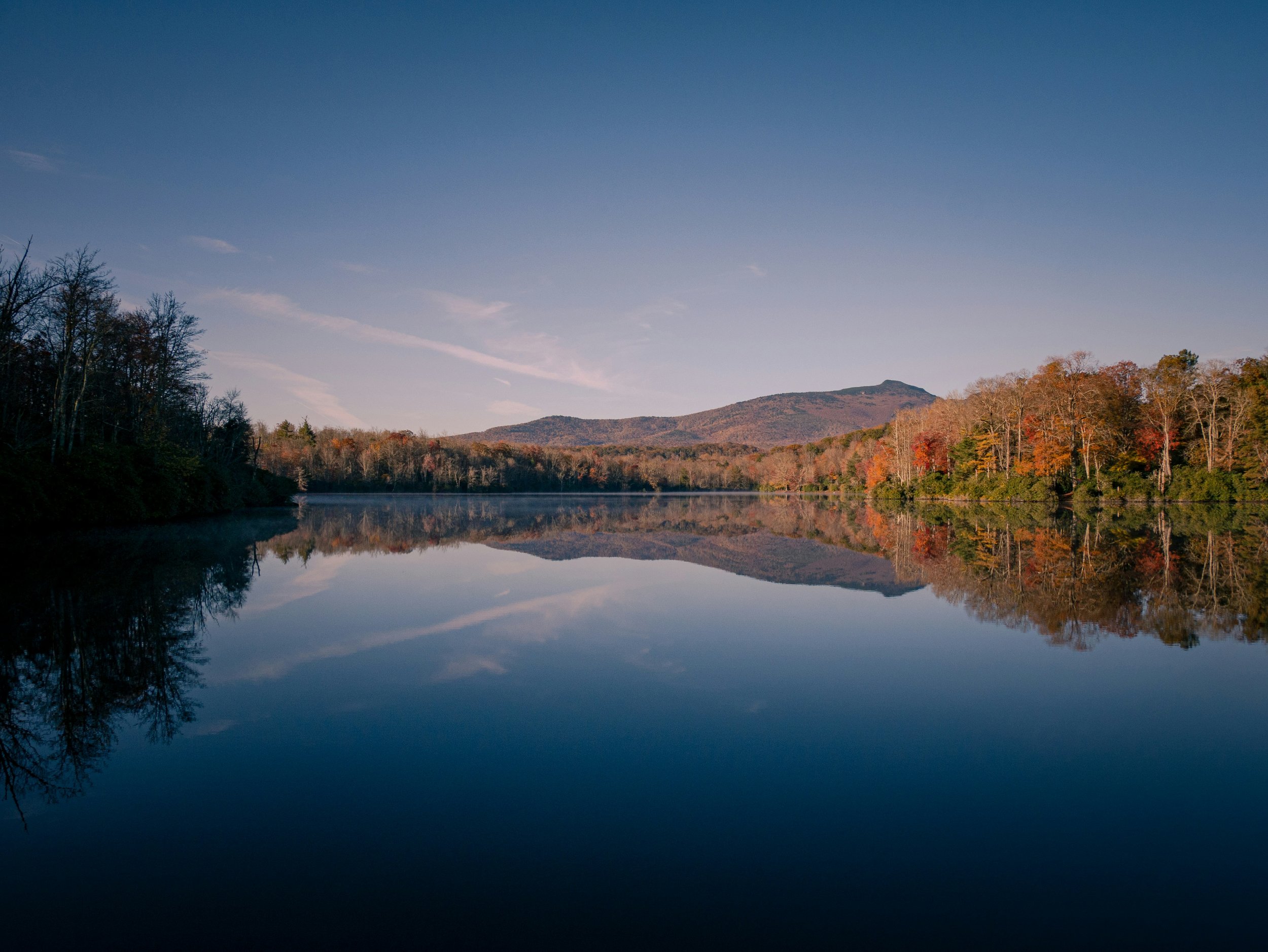
There’s a moment in Happy Land where the land itself becomes a kind of character —
a presence that holds memory, possibility, and silence all at once. The Blue Ridge Mountains are central to that feeling. When you stand in front of them, or even look at a picture, you understand how a place can offer both refuge and reckoning.
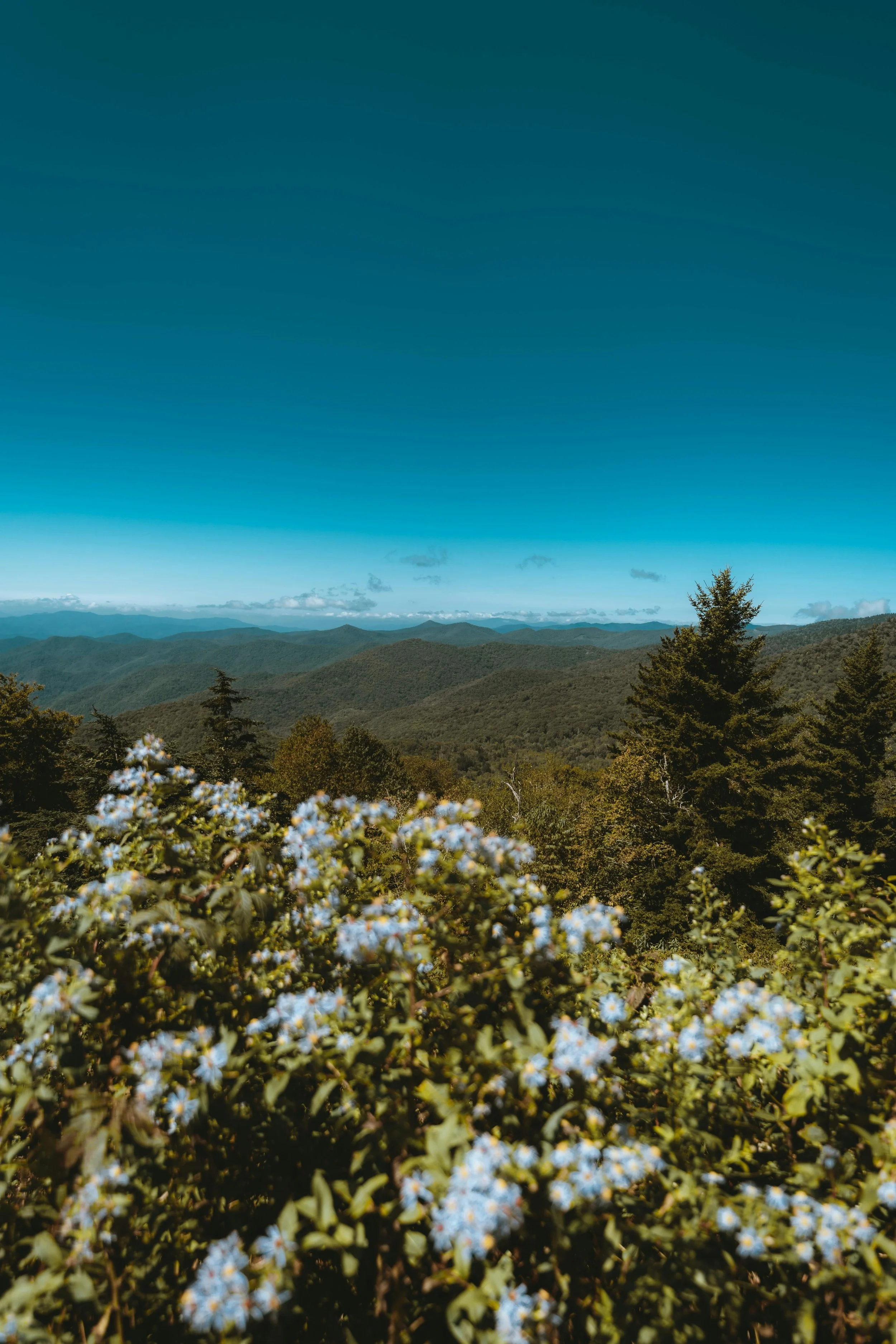
Imagining those early families making their way into this stretch of America, you can almost feel the cautious hope they carried with them: the promise of land, safety, and a life they could shape with their own hands.
The mountains would have been both intimidating and breathtaking — a barrier, yes, but also a sanctuary.
For communities fleeing violence, these ridges weren’t just scenery. They were protection. Isolation. A chance to build something that couldn’t easily be taken away. And even now, the landscape holds that tension: beauty intertwined with history, hope layered over hardship.
Pedigree is Power
One thing Happy Land always circles back to is lineage — the stories passed down, the ones forgotten, and the ones we only uncover by digging. Reading this book (and talking with Dolen) pushed both of us to spend more time with our own family histories this season. It made us think about the people who kept the stories alive long enough for us to find them.
Every family has someone who knows everything: who married who, who moved where, who had “that one summer,” whose birthday is when, and which cousin needs to stay off Facebook.
For Samra, that person is her Auntie Yolo — her family’s certified historian, archivist, and joyful resident busybody.
My Auntie Yolo is a consistent source of inspriation for me as I grow into an auntie myself. She has all the makings of a true matriarch - taking on the holiday host role from my maternal grandmother several years back, planning destination vacations, and so much more. Her strength pushes all of us to be our best selves.
And because we truly went down the rabbit hole this season, here’s a peek at Samra’s family tree, the one she’s been piecing together as we read:
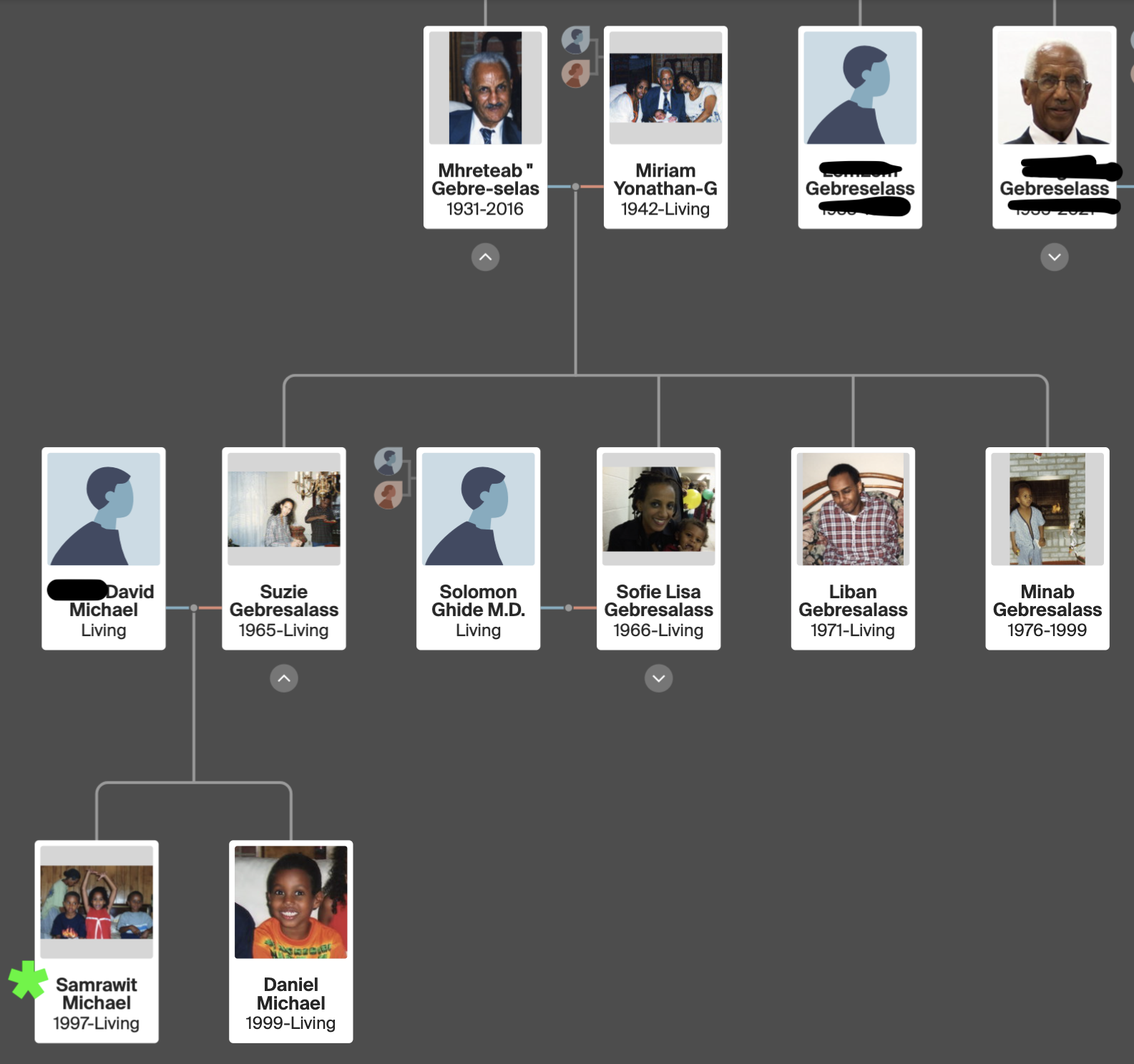
Source: Ancestry.com
Thinking about lineage through the lens of Happy Land makes it clear how powerful it is when families keep records, share stories, and pass down what they know. Even the smallest details can become lifelines — clues that help future generations understand who they are and where they come from.
If you haven’t picked up Happy Land yet, this is your sign. It’s the kind of story that stays with you — not just because of the history it uncovers, but because of the questions it raises about identity, memory, and the power of place.
You can grab your copy here and support an independent bookstore in the process:
Shop Now on Bookshop.org + use our code SHEWELLREAD for 10% off your purchase
Supporting indie shops keeps communities thriving, keeps authors visible, and keeps stories like Happy Land in the hands of readers who need them.
Closing Out the Season
As we end this season, it feels right to pause and acknowledge how much we’ve grown alongside the stories we’ve read. Happy Land wasn’t just a one-time read — it was a reminder of why we started this podcast in the first place. To learn. To reconnect. To honor the past while making sense of the present. To hold space for curiosity, joy, and reflection.
This season asked us to trust the work, trust ourselves, and trust the journey — even when it’s messy, uncertain, or nothing like we imagined. It reminded us that community is an anchor, lineage is a gift, and storytelling is one of the greatest tools we have for making meaning out of our lives.
Thank you for reading with us, listening with us, and showing up as part of this little corner of the internet we’ve built together. We’re grateful for every Well Read Baddie who tuned in, voted on books, sent us messages, and shared the show with friends.
We’ll see you soon — rested, inspired, and ready for whatever the next chapter brings.
